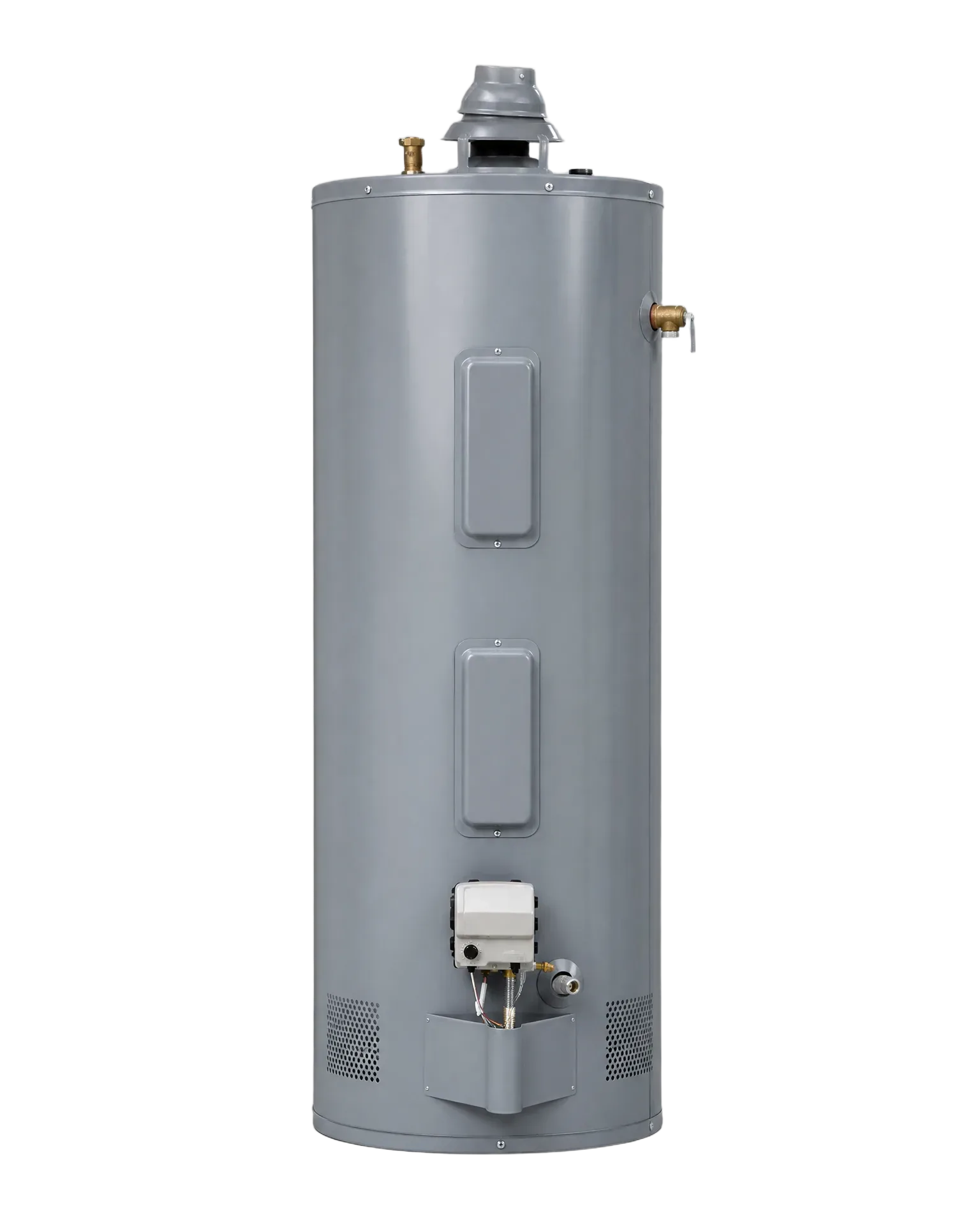
Should I get a tank or tankless water heater in Nevada?
A lot of Nevada homeowners asking this already have a tank that's failing and want to know if switching to tankless is worth doing now, or if they should just replace it with another tank. With gas common here and power cheap, the usual arguments about running costs don't carry the weight they do in other states, so the decision comes down to something else.
Either works well here. A gas tankless unit makes the most sense if you're replacing anyway.
A gas tankless water heater makes sense in Nevada because it only heats water when you run a tap, so there's no standby loss from keeping forty gallons hot all day. That matters more in a dry climate where incoming water starts out warmer, since the unit doesn't have to work as hard to reach temperature. A tank still gets the job done and costs less to install. The choice really comes down to how much hot water your household uses at once and whether you want a unit that takes up a closet instead of floor space. With power cheap here, an electric tank isn't a bad fallback if gas isn't an option where you are.



Gas tank water heaters hold hot water ready in a tall tank.
A thermostat fires the burner whenever the tank cools below its set point.
Tankless units sit idle until a hot water tap turns on.
A flow sensor tells the tankless unit to fire its burner.




58.9% of homes statewide heat with gas
Gas is the fuel in most Nevada homes, so if yours runs on gas already, that line is in place for either a tank or a tankless unit. A tankless model needs a gas line sized for its burner, which a contractor can check against what your home already has.
ACS 2020-2024 5-year B25040
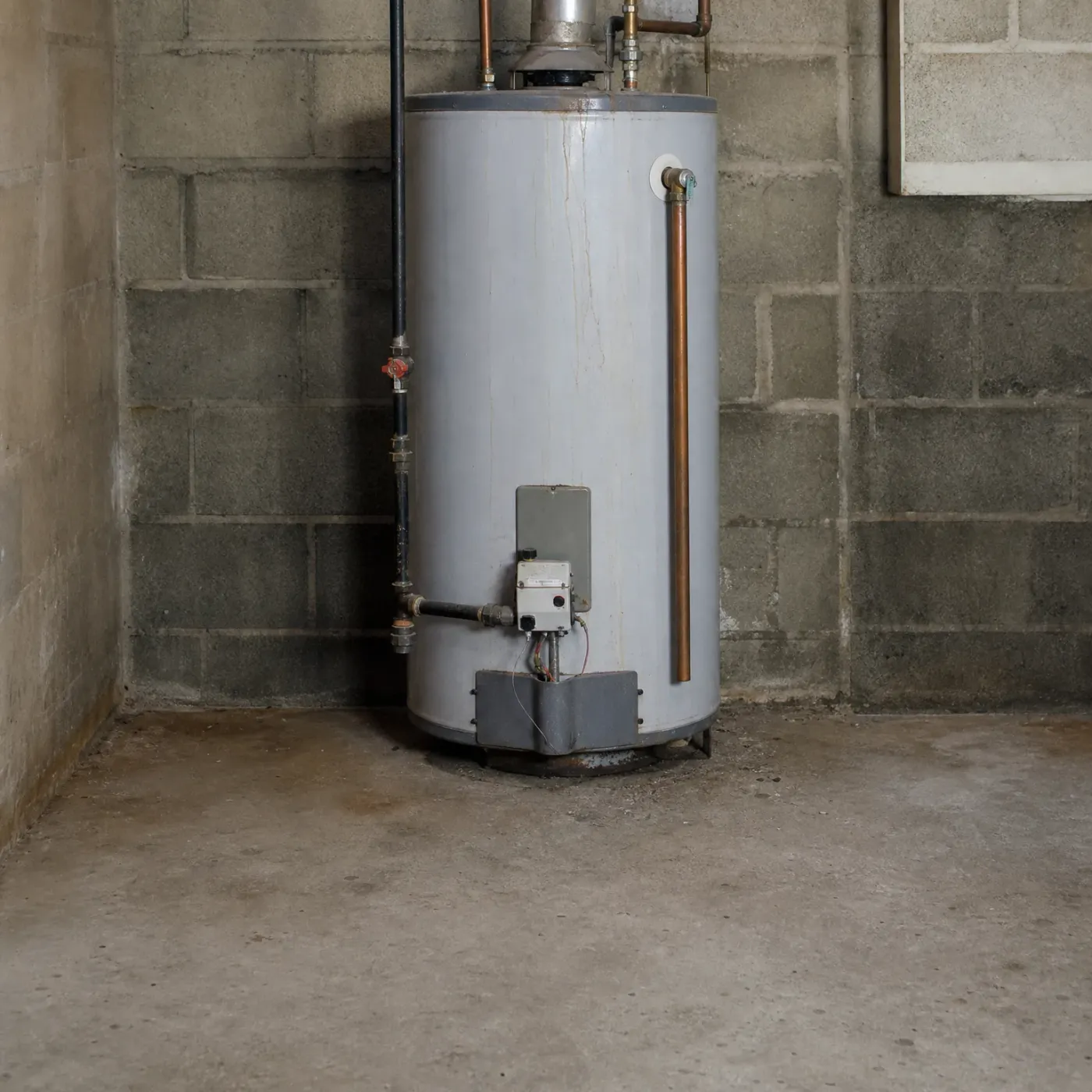
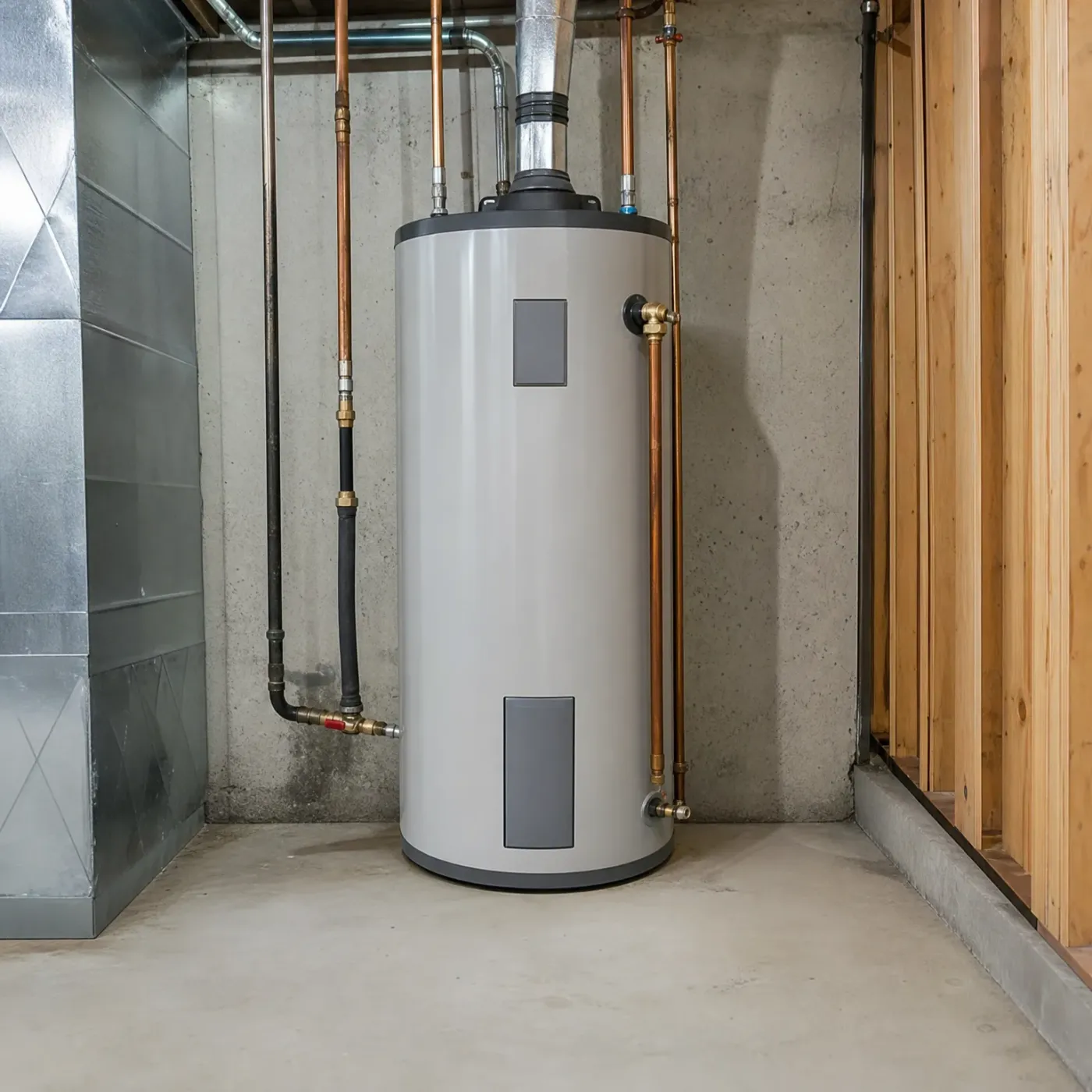
A gas tank water heater in a Nevada home usually sits in a garage or closet, and when it fails, it tends to fail wet. Forty gallons on a garage floor can reach drywall, stored boxes, or a laundry setup faster than most people expect to find it. Tankless units mount on a wall and don't hold a reserve of water, so that particular risk goes away, but they bring their own demands. If your household runs the shower, the dishwasher, and a load of laundry around the same time most mornings, a tankless unit has to keep up with all of it on demand, where a tank just draws down what's already heated. A tank near the end of its life is also worth weighing against a full replacement in kind, since a straight swap is usually the simpler install. Either way, the gas line and venting already running to your current unit shape what a contractor can do without major changes to your home.


A local pro for your water heater installation

Once you send the form, finding a pro is off your list.
Sending the form costs nothing.
Tank or Tankless, Decided
- A tank water heater costs less to put in and works with the gas line and vent your home already has.
- A tankless unit runs longer before it needs replacing and won't flood the garage floor if it fails.
- If your gas line and vent can handle a tankless burner, a contractor can confirm that before you decide anything.
- A failing tank with rust at the base or fittings is a sign to replace now, not wait for it to leak.
- Either choice keeps hot water running for the people at home, which is what matters once it's installed.
- Once you send the form, a contractor who installs both types reaches out and the decision gets easier to make.
Both choices work in Nevada. A tank costs less upfront and uses the gas line and vent already in place, which is why most homeowners replacing a failing unit go that route. A tankless unit asks more going in, since a contractor has to confirm the gas line and vent can handle its burner, but it lasts longer and won't dump forty gallons on the garage floor the day it fails. Neither choice is wrong. What matters is matching the choice to what's already there and what you want to deal with later.
If the tank in your garage or closet is rusting at the base or the fittings, that's not a maintenance issue to put off. It's a sign the tank is on its way out, and waiting for it to leak means dealing with water damage on top of a replacement. Getting ahead of it, with either a new tank or a switch to tankless, is the difference between a planned job and a mess on a weekend.
Once you send the form, you're done making calls and comparing contractors yourself. Someone who installs both types reaches out, looks at your gas line and vent, and tells you straight whether tankless is realistic for your home or whether another tank is the better call. That's one less thing on your plate, and hot water keeps running for the people counting on it.

Water Heater Installation
Get the right pro for your water heater

- A local pro who knows water heaters gets your details and gets in touch.
- Get in touch with a local installer about a new water heater.

- Send the form and the search for an installer is over.
- Send the request and finding a pro stops being your problem.

- Answer a few questions instead of calling shop after shop.
- Describe your water heater job once, to one pro.

- Your request goes to one pro, not a list of companies.
- One installer gets your project, so there's no bidding war over it.