 Hand off my installation
Signs your water heater needs replacing in Nevada
After you send the request, you're done searching.
Most water heaters in Nevada run on gas, and most give you some warning before they quit outright. Rusty water, a tank that pops or rumbles when it heats, water pooling at the base, or hot water that runs out faster than it used to. Any of those is worth paying attention to, especially once the unit has a few years on it.
The hard part isn't noticing something's wrong. It's figuring out whether it's a part worth fixing or a tank on its way out, and then finding a licensed plumber who installs water heaters, has time this week, and will give you a straight answer instead of an upsell.
That part is what this page takes off your plate. Send the form and you're done hunting through listings, calling three or four places to compare quotes, and explaining the same leak or the same rusty water three different times to three different people. Someone qualified gets the details once and takes it from there.
With summers here running hot and dry, a dead water heater is its own kind of bad timing, there's never a convenient week for cold showers. And because power is cheap here but most homes run gas, a straight swap usually means dealing with the same kind of unit, not rethinking the whole setup. Either way, the sooner someone looks at it, the sooner you know whether you're buying a part or buying a new tank.
You don't have to figure out which it is before you ask. That's the job of whoever shows up, not yours. Once you send the request, the search is over. You're not the one calling around anymore.
How do I know if my water heater needs to be replaced?
You've noticed something off with your water heater and you want to know if it's actually at the end of its life or just a minor problem. Rust in the water, a tank that pops when it heats, water around the base, or hot water that runs out quicker than it used to all point the same direction. You're trying to figure out which one of those means replace it, not just repair it.
If it's leaking from the tank itself or the water is rusty, it needs to be replaced
A leak at a fitting or valve can be fixed. A leak from the tank wall can't, because once the steel has rusted through, the tank is done. Rusty hot water usually means the same thing happening on the inside, where you can't see it. Popping or rumbling is sediment building up on the bottom of the tank, and that alone doesn't mean replacement, though it does mean the tank is working harder than it should. Hot water running out faster than it used to is the burner or the elements losing ground. Most gas water heaters in Nevada last a long run before any of this shows up, so once the tank itself is rusting or leaking, repairing it usually isn't worth doing.
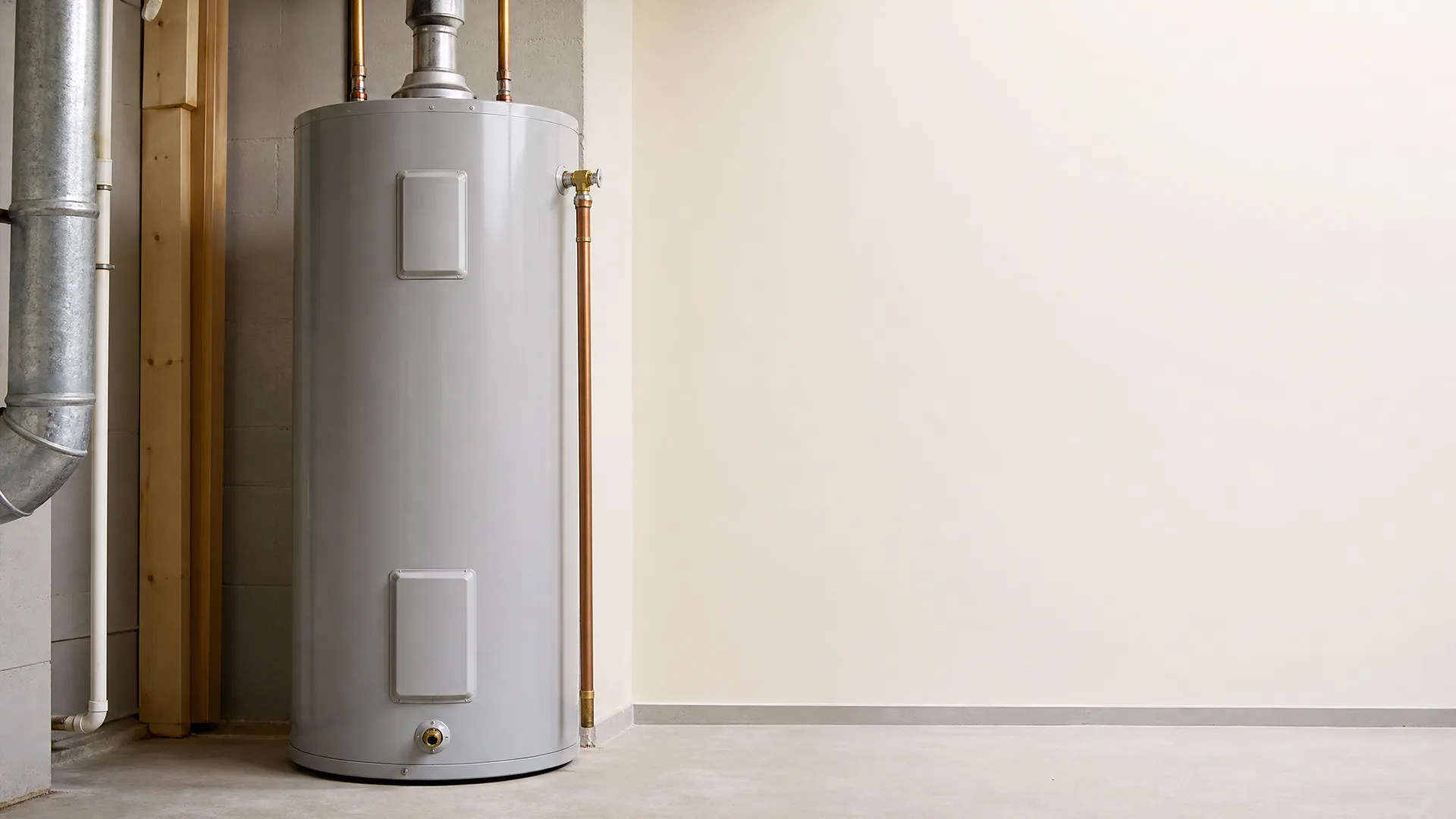
Check the age on the tank
A water heater has a label inside the metal plate near the top, and the serial number starts with the date it was made. A letter for the month, two digits for the year. Most tanks last about a decade in Nevada before the inside starts giving out. If yours is close to that and showing any other sign, the age is the detail that settles it.
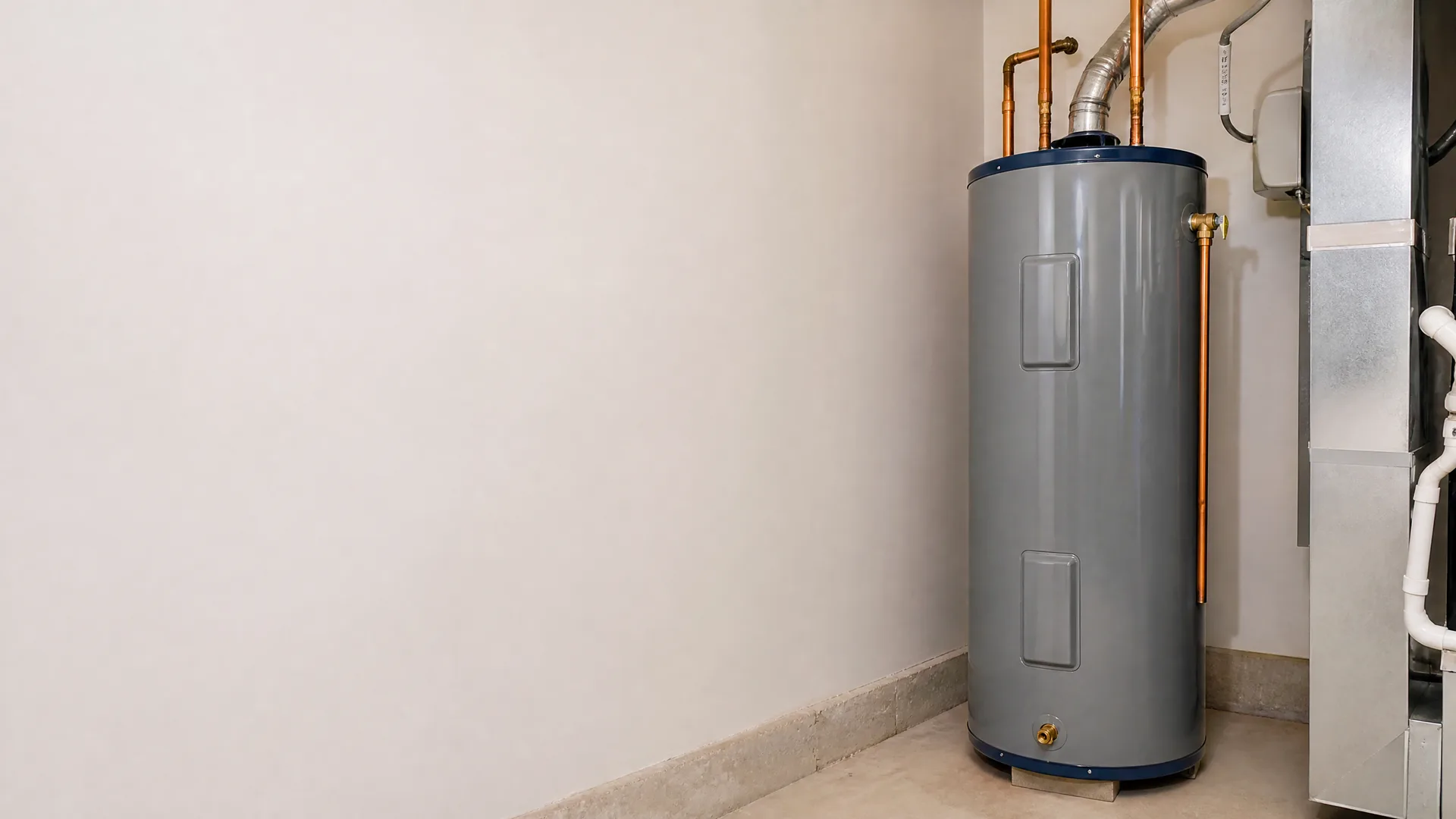
Sediment builds up with hard water
Nevada's water leaves mineral deposits inside the tank, and over years that layer builds up on the bottom. It takes up space meant for water, makes the burner work through it to heat what's left, and can be what's rumbling or popping when the tank fires up. Draining the tank once a year slows this down, but it doesn't reverse damage already sitting at the bottom.
58.9% of homes statewide heat with gas
Odds are your water heater runs on gas, same as most homes in Nevada. Gas tanks fail the same way electric ones do, with rust and sediment, so the warning signs matter more than the fuel type. A pilot light that won't stay lit is one more to watch for.
ACS 2020-2024 5-year B25040




Done looking for a water heater pro

Skip searching for a water heater pro and answer a few questions instead.
Sending the form costs nothing.
Repair the problem or replace the tank
A plumber can usually fix a single failure. A new thermostat, a new heating element, a new gas valve. If the tank itself is sound and the rest of it has held up, that repair buys you real time. The question is whether the tank is still good underneath whatever broke. A tank that's rusting from the inside will throw another failure in a few months no matter what part got replaced this time, and you end up paying for the repair and the replacement both.
What age changes about that choice
A water heater under five years old is usually worth repairing almost regardless of what broke, since the tank has a lot of life left in it. Past about a decade, in Nevada's water and heat, the math flips. Even a cheap repair on an old tank is money spent on a tank that's going to fail anyway, probably at the next thing that goes wrong rather than this one. If you're replacing a part and the tank is already past that age, ask the plumber to look at the tank itself before you spend on the part.


Repair, Replace, or Call Around
- Rust in the water, popping sounds, a leak at the base, or shorter hot water runs all point to a tank near the end of its life.
- The serial number on the label tells you the age, and most tanks in Nevada start failing inside the tank around the ten year mark.
- A repair makes sense when one part has failed and the tank itself still holds, a thermostat, element, or gas valve replaced on its own schedule.
- Replacement makes sense once the tank is rusting from the inside or old enough that another part is likely to go next.
- A pilot light that won't stay lit on a gas unit is one more sign worth adding to the list.
- Sorting out which case you're in doesn't require calling around and repeating the same description to every plumber you reach.
A water heater usually tells you where it stands before it quits for good. Rust in the water, a tank that pops when it heats, water collecting at the base, hot water that runs out sooner than it used to. The label near the top of the tank backs up what the symptoms are already telling you, since most tanks in Nevada start failing from the inside somewhere around ten years old. Younger than that, with a single part gone bad, a repair is the reasonable call. A thermostat or a gas valve can be swapped out on its own, and a tank that's otherwise sound is worth keeping around. Older than that, or already rusting from inside the tank itself, a repair just delays the same decision. A gas pilot that won't hold a flame fits into either picture, but it means more once the tank is already near that age.
None of that is complicated once you know what to look for. What takes the time is finding a plumber who'll look at your actual tank instead of guessing over the phone, then getting a straight answer instead of a push toward whichever job pays more. Sending this form once means you're not calling three or four places, repeating the same list of symptoms each time, and weighing quotes against each other with no way to tell who's right. That part of it is off your plate the moment you send it.
It's off your list after this
One form replaces the calls you'd make to find a water heater pro.