 Describe it once
How long a water heater lasts in Nevada
Skip collecting and comparing quotes for the new water heater.
A gas water heater in Nevada usually lasts 8 to 12 years. Hot, dry summers don't shorten that much on their own, but the water running through it matters more than the weather. Hard water leaves scale inside the tank, and that scale makes the burner work harder to heat the same amount of water. Over the years that extra work wears on the tank and the parts inside it.
Most homes here run on gas for hot water, and power is cheap, so the choice between gas and electric usually comes down to what's already hooked up at the house rather than the cost to run it. If your water heater came with the house, check the label on the tank for the date of manufacture. That tells you more than its age in years alone.
Once a tank starts failing, rust-colored water, a tank that won't hold heat, or water pooling at the base, it's worth getting a straight answer rather than guessing. That usually means finding a plumber, explaining the make and age of the unit, waiting on a callback, and doing it again with the next company to see if the quote changes. A request through this page goes to one licensed plumber working in your area, someone who installs and replaces water heaters in Nevada homes regularly and knows what tends to fail first in this water. You explain the situation once, to the person who'll actually look at it.
Below is what shortens a water heater's life in Nevada, what a tank nearing the end usually looks like, and what to weigh when it's time to replace rather than repair.
A gas water heater in Nevada usually lasts 8 to 12 years, and most homes here run gas, so that number applies to the tank you probably have. What shortens it is rarely the heat outside. It's the water going into the tank. Nevada's water tends to run hard, and hard water leaves mineral scale on the bottom of the tank and around the burner assembly. Scale acts like insulation between the flame and the water, so the burner runs longer to do the same job, and that extra work wears out the burner and the tank lining faster than age alone would. A tank past 10 years with a history of hard water is a different risk than one that's been flushed regularly. Once a tank starts leaking at the bottom, it's done. There's no patch for a cracked tank, only replacement, and knowing where your water heater sits in that range tells you whether to plan the swap or wait it out.
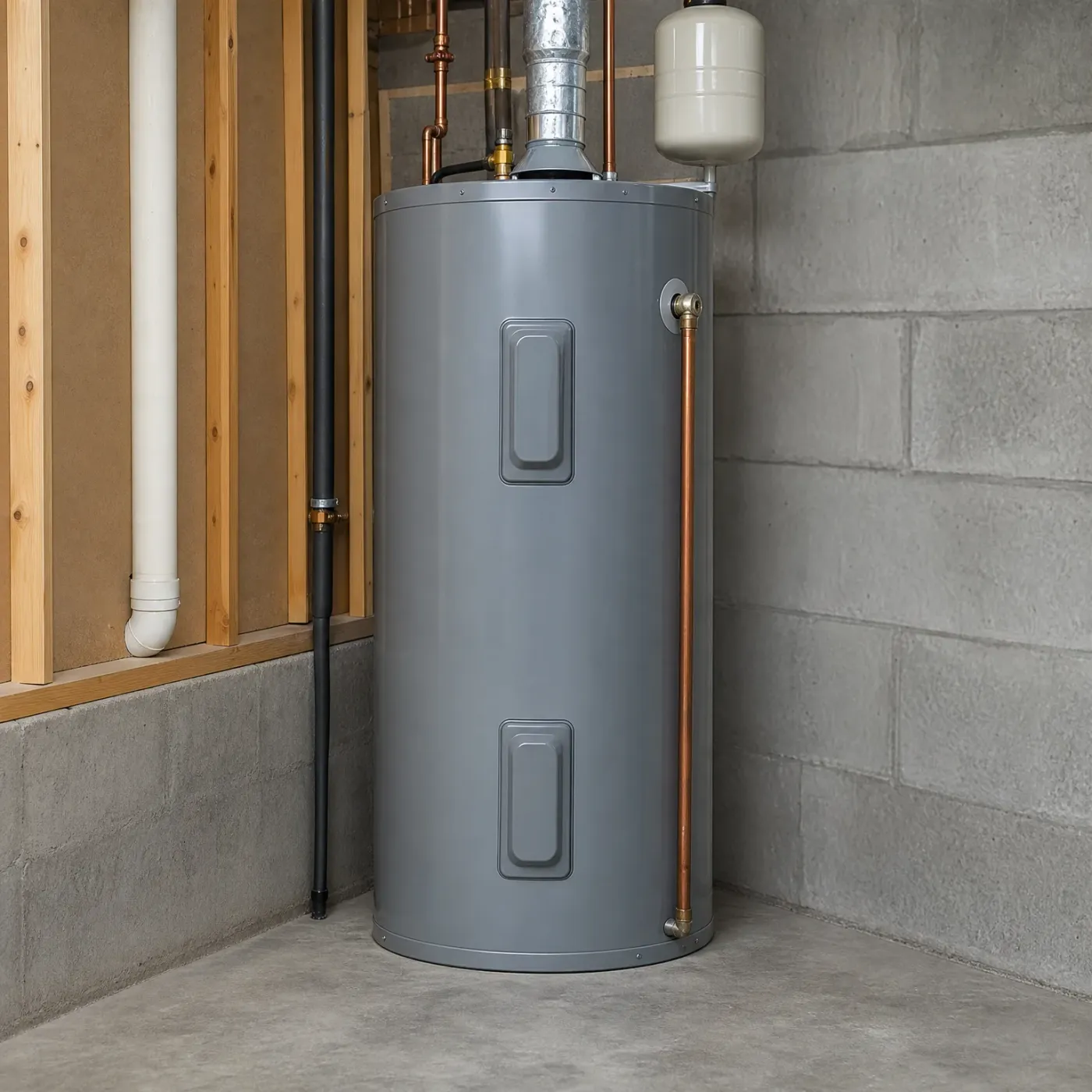
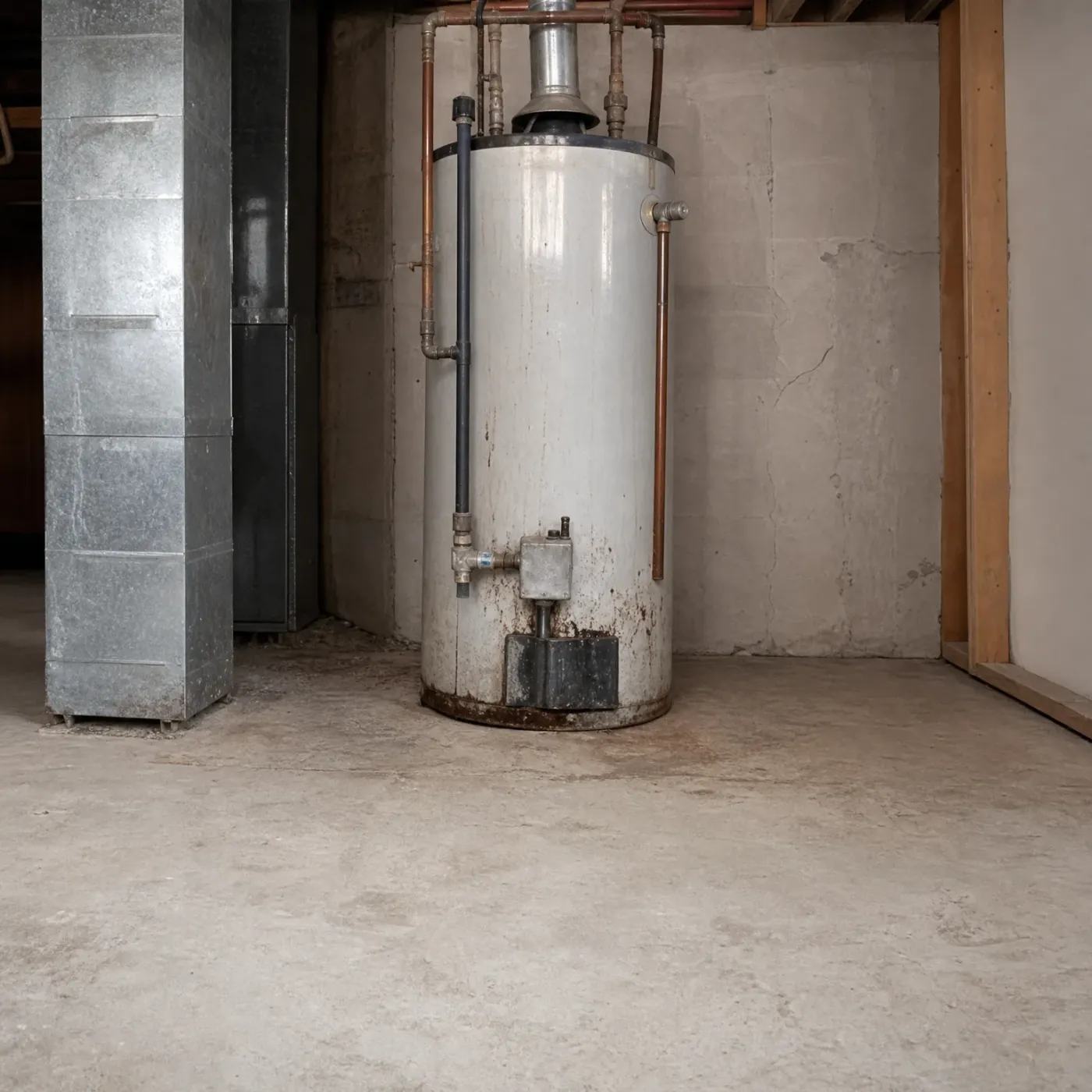
A gas water heater fails from the inside, and the process follows a pattern. Sediment drops to the bottom of the tank first, settling right above the burner. That makes the burner run longer to get the same water hot, and the extra firing time puts more stress on the tank itself. Meanwhile a rod inside the tank, the anode rod, is doing its job by corroding instead of the tank walls. That's what it's there for. But it doesn't last forever, and once it's used up, the tank itself starts to rust, and there's no reversing that. Nevada's hard water speeds all of this along, building scale on the burner assembly and heating elements before you'd notice anything wrong with the hot water itself. Flushing the tank once a year matters for this reason. It clears out sediment while it's still loose, before it has a chance to harden into scale that won't come out. Skipping it doesn't break the tank overnight, but it shortens the years you get out of it.
What's Happening Inside the Tank
- Sediment settles at the bottom of the tank first, above the burner, before it ever reaches the pipes.
- The burner has to fire longer to heat water through that layer, and the extra heat stresses the steel tank itself.
- A sacrificial anode rod inside the tank corrodes on purpose, drawing the rust away from the tank walls as long as it lasts.
- Once the anode rod is used up, the tank starts corroding instead, and that process doesn't reverse.
- Hard water also builds scale on the heating elements and burner assembly, which cuts efficiency even before a leak shows up.
- Flushing the tank once a year clears sediment out before it hardens into scale that's harder to remove.




Skip calling around
Once a gas water heater starts showing rust at the fittings or won't hold a pilot, replacing it is the only real option, and that means finding someone qualified to run gas line safely and size the new tank right for your house. On your own, that's calling a handful of plumbers, explaining the same leak or the same rust spot each time, waiting on quotes that come back at different times with different numbers, and trying to judge which one actually knows gas water heaters versus which one just installs whatever's on the truck. Submitting your address and situation here sends it to one licensed contractor working in Nevada, someone who deals with this water and this kind of tank regularly and already knows where hard water tends to hit first. You're not fielding calls from five different companies trying to win the job. If your tank is past 8 years or showing the signs above, getting someone out to look at it now costs you less than waiting for it to fail outright.

What you'll notice before it fails
You'll likely see it before the tank gives out completely. Water that takes longer to get hot, or doesn't get as hot as it used to. A popping or rumbling sound from the tank as water works its way through sediment at the bottom. Water around the base that wasn't there before. Rust starting to show at the fittings. Any one of those is worth paying attention to, because once a gas tank starts failing, it tends to go from a small problem to a wet floor faster than people expect.
When that happens, you're not just dealing with a water heater. You're dealing with finding someone who can shut off the gas safely, pull the old tank, and size and install a new one that fits your house, all without you spending an afternoon calling around and repeating the same description of the rust and the noise to every company in the phone book. A local contractor who installs these year-round in Nevada has usually already seen the exact kind of failure your tank is showing.

58.9% of homes statewide heat with gas
With gas heating most Nevada homes, chances are your water heater runs on it too. That's the tank built to last 8 to 12 years here, so long as the gas supply and burner get serviced the same way the rest of your gas-fired equipment does.
ACS 2020-2024 5-year B25040
What a Nevada Water Heater's Lifespan Comes Down To
- A gas water heater in Nevada typically runs 8 to 12 years before it needs replacing.
- Hard water and sediment buildup shorten that life far more than the hot, dry summers do.
- Rust at the fittings, lukewarm water, or a popping tank are signs the end is near.
- An anode rod and a yearly flush can get more years out of the tank before it fails.
- Once rust or pilot problems show up, replacement is the only option left.
- Sizing the new tank and running gas line safely is a job for someone licensed to do it.
Eight to twelve years is the number to plan around for a gas water heater in Nevada, and almost nothing about the climate here changes that. What changes it is the water. Hardness builds sediment at the bottom of the tank, the burner works harder to push heat through that layer, and the steel underneath takes the stress year after year. A tank that gets flushed and has its anode rod checked can hold up near the far end of that range. One that doesn't tends to fall short of it. Either way, the tank gives you warning. Rust around the fittings, water that comes out lukewarm instead of hot, a popping or rumbling sound as it heats, these show up before the tank actually quits. Once you see them, there's no repair that buys back years. A gas water heater at that stage gets replaced, not patched. That job involves sizing a new tank correctly for your house and handling the gas line safely, which isn't something to hand to just anyone. It calls for a licensed contractor who works on these tanks locally and has seen what typically fails first in homes around here. Finding one, explaining the problem, and sorting through quotes is its own chore on top of the decision itself. Knowing roughly where your tank stands against that 8 to 12 year range is what tells you whether you're planning ahead or already behind.


Water Heater Installation
Describe it once
One installer gets your project, so there's no bidding war over it.
