
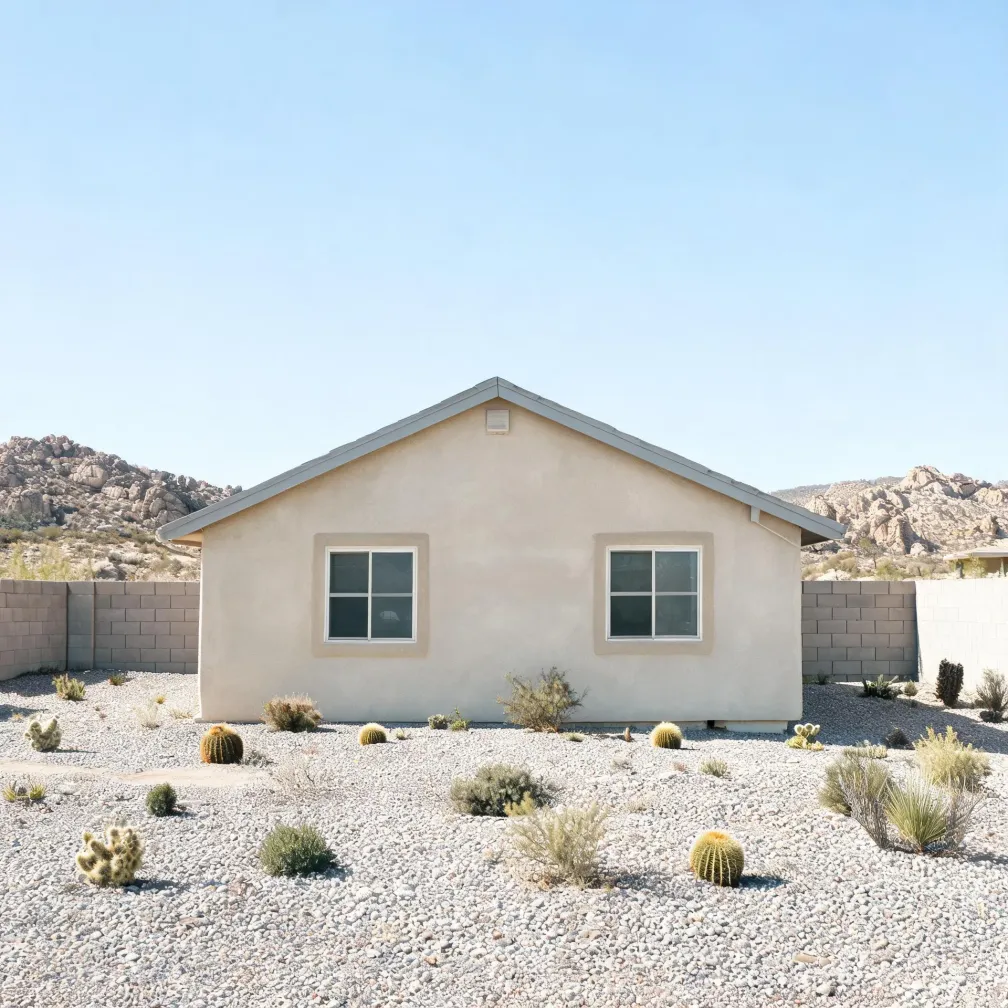
What Nevada homes are up against.
NOAA National Centers for Environmental Information, Storm Events Database, bulk CSV export, events 2015-01-01 through 2024-12-31. · U.S. Census Bureau, 2020-2024 American Community Survey 5-Year Estimates

Gas infrastructure in Nevada homes is not an incidental detail a contractor works around; it is the condition that determines what a replacement water heater can actually be. Utility gas heats more occupied homes in Nevada than any other fuel, at 58.9% (2020-2024 ACS 5-year). A home built around a gas supply line, a flue, and a combustion air path is a home where swapping to a different fuel source is rarely a straight equipment swap. A contractor quoting the job has to read what is already in the wall before the spec is written, because the venting a water heater requires follows from what it burns, and most of what burns here is gas.
A quote for water heater work starts with what the contractor can see when they open up the system: the condition of the flue, the state of the electrical service, whether the existing connections match what a new unit needs. None of that can be read from a street-level look. Half the homes in Nevada were built in 1996 or earlier (2020-2024 ACS 5-year). A house built under those conditions carries original infrastructure that a contractor has to measure before specifying anything, because a unit that fits the space on paper can still require a service upgrade or a venting change that shifts the whole scope of the job.
How does your Nevada county compare on severe weather?
2015–2024 · Source: NOAA National Centers for Environmental Information, Storm Events Database.
A heavier storm record means the equipment sitting outside your home has to take more punishment over its life. Wind and hail can loosen panels or pit a condenser's coil, and heavy rain or flooding around a low-sitting unit can reach parts never meant to get wet. Have a contractor check where your outdoor unit sits, how it's anchored, and whether the unit itself already shows wear.