

Popping, but working fine
Sediment at the bottom lets water pop and rumble as it heats, but the tank still delivers hot water on demand. Gas or electric, it's still doing its job. The noise means buildup, not failure, if the tank is sound otherwise.
Send the request today and stop worrying about who to call.
Hand it offYour water heater has started popping or rumbling, maybe when it fires up or while it's just sitting there heating. It's loud enough that you've noticed it, and it makes you wonder if something is about to fail. With gas water heaters being the norm across Nevada and most homes running on well water or hard municipal supply, there's a specific reason behind that sound.
The popping comes from water trapped under a layer of sediment at the bottom of the tank. As the burner heats the tank, that trapped water turns to steam and pushes up through the sediment, and the sound you hear is those bubbles breaking through. Nevada's hard water leaves minerals behind faster than most places, so sediment builds up over time whether your water heater is new or has been in the house for years. The noise itself isn't dangerous right away, but a thick layer of sediment makes the burner work harder to heat the same amount of water, and it can wear on the tank over time. A plumber can flush the tank and check how much buildup has collected.
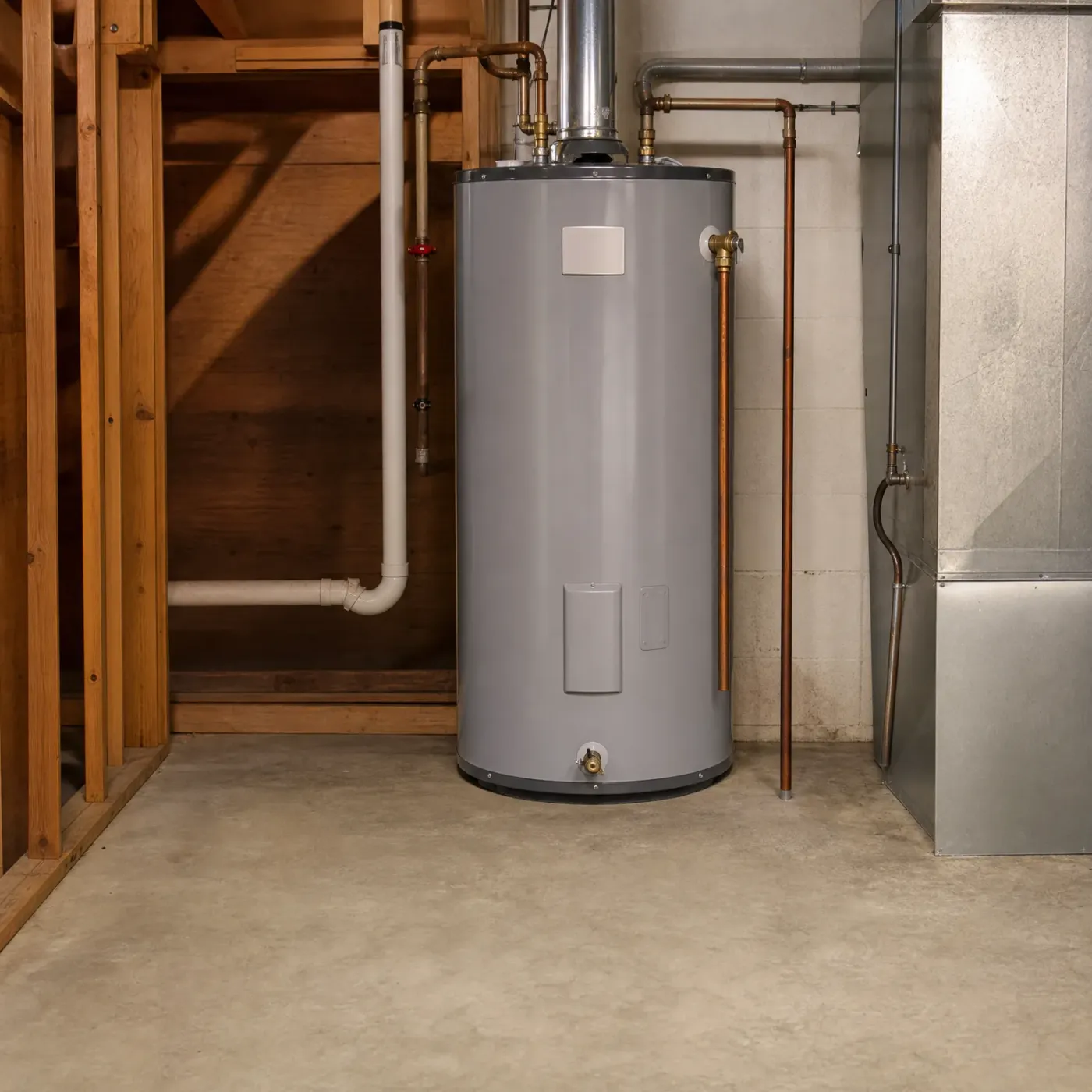
Sediment at the bottom lets water pop and rumble as it heats, but the tank still delivers hot water on demand. Gas or electric, it's still doing its job. The noise means buildup, not failure, if the tank is sound otherwise.
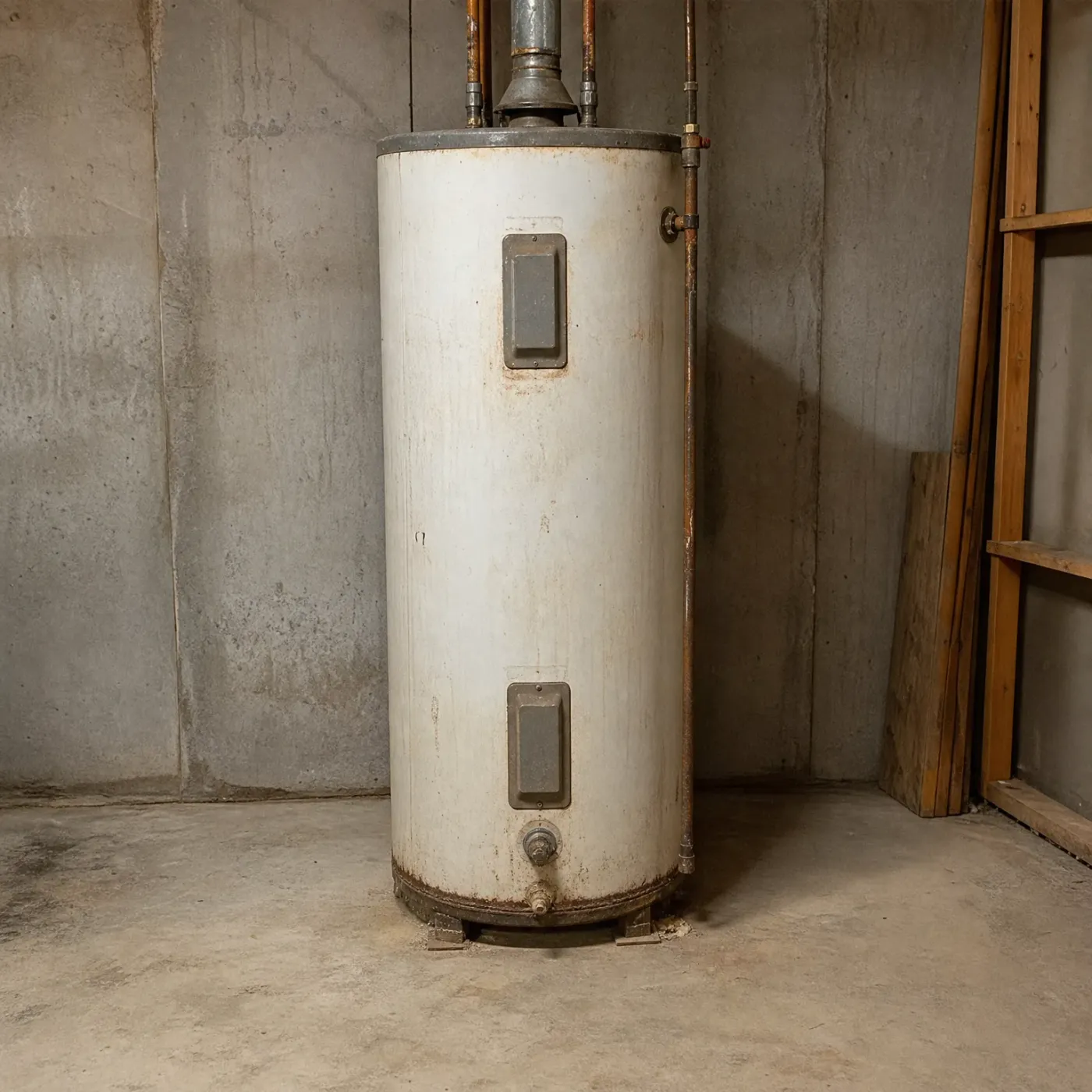
Rust along the shell, corroded panels, a drain valve that's seen better days. Sediment is only part of the story here. With wear like this, the popping can be the first sign the tank itself is on its way out.




Most gas water heaters in Nevada hold a layer of sediment at the bottom of the tank, minerals that settle out of the water supply over time. When the burner fires, it heats through that layer. Water gets trapped under and inside the sediment, turns to steam, and the pockets of steam collapse or push up through the grit. Each one makes a pop or a rumble. It is not the metal of the tank making that sound. It is water working its way through a layer of buildup sitting between the burner and the water it is supposed to heat.
Harder water supplies leave more mineral content behind, and the amount varies by what runs through your pipes. Gas units heat a few more degrees, and that heat moving fast through the bottom of the tank is what drives the popping. A tank running on a standing pilot is heating around the clock, which means that bottom layer gets worked constantly, not just when someone turns on the hot tap. Flushing the tank removes the sediment and quiets it down, but once scale has baked onto the bottom of the tank, flushing alone may not clear all of it.
Most houses here run a gas water heater, the same tank that pops when sediment builds up on the burner side. The gas supply doesn't cause the noise, the tank does, so a popping gas unit still needs that sediment flushed or broken loose by someone who knows the tank.
ACS 2020-2024 5-year B25040
That sediment layer sits between the burner and the water, so the burner has to run longer to get the same water hot. Nevada's groundwater carries enough minerals to build that layer up steadily, and a gas bill that creeps up without any change in how much hot water you're using is one sign it's happening. The tank still works. It's just working harder than it should to do the same job, and that extra runtime shows up every billing cycle whether you notice the noise or not.
Left alone, the sediment keeps hardening against the bottom of the tank, and the metal underneath it takes the brunt of the heat instead of the water above it. That's how a tank that just rumbles starts to develop a leak at the seam or the base. A technician who flushes it early can usually clear the buildup. Wait long enough and flushing stops being enough, and the fix moves from clearing sediment to replacing the tank. The popping is the warning stage, not the failure itself.


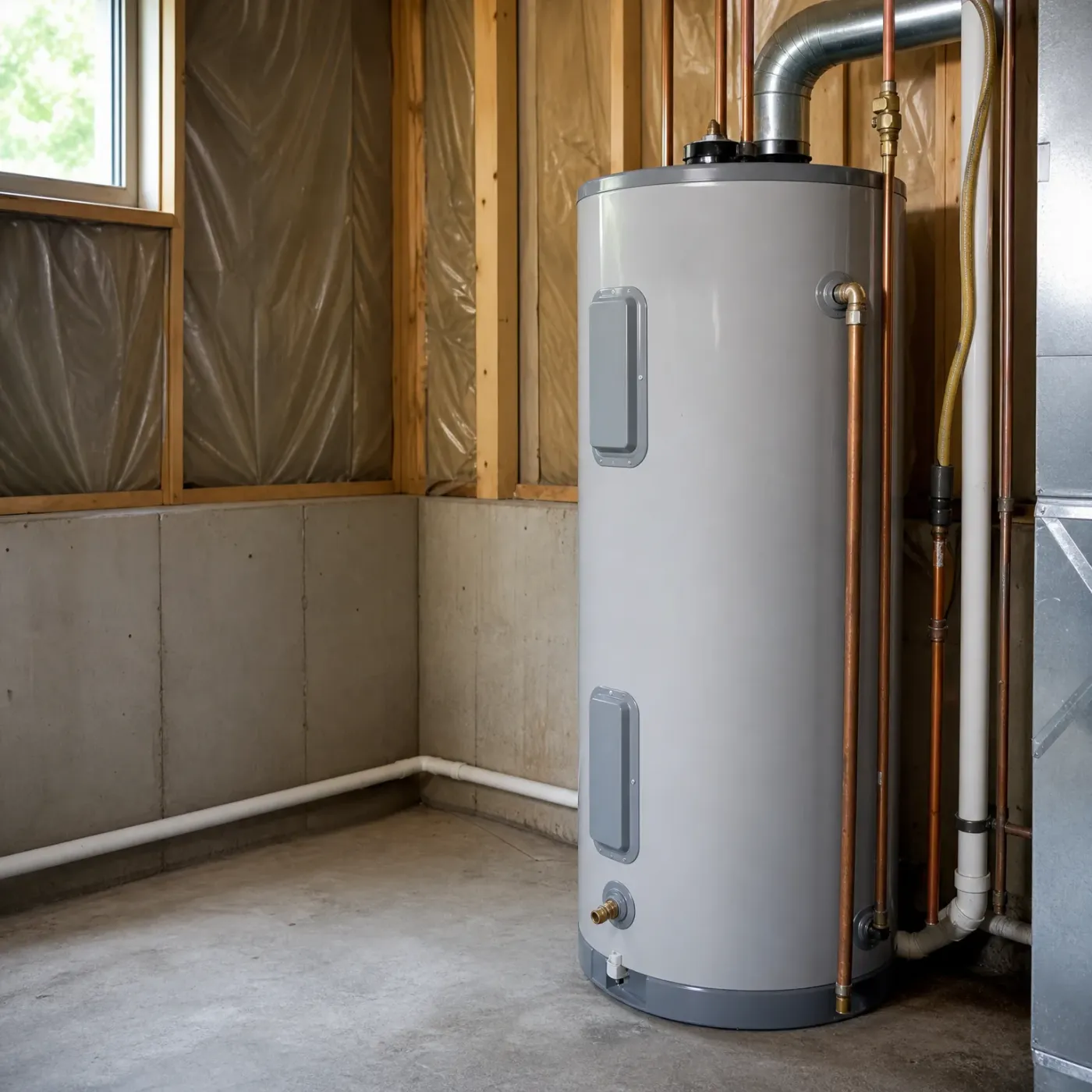
The pro who reaches out is licensed in Nevada.
After this form, you can stop searching for a water heater pro.
There's no charge for the request.
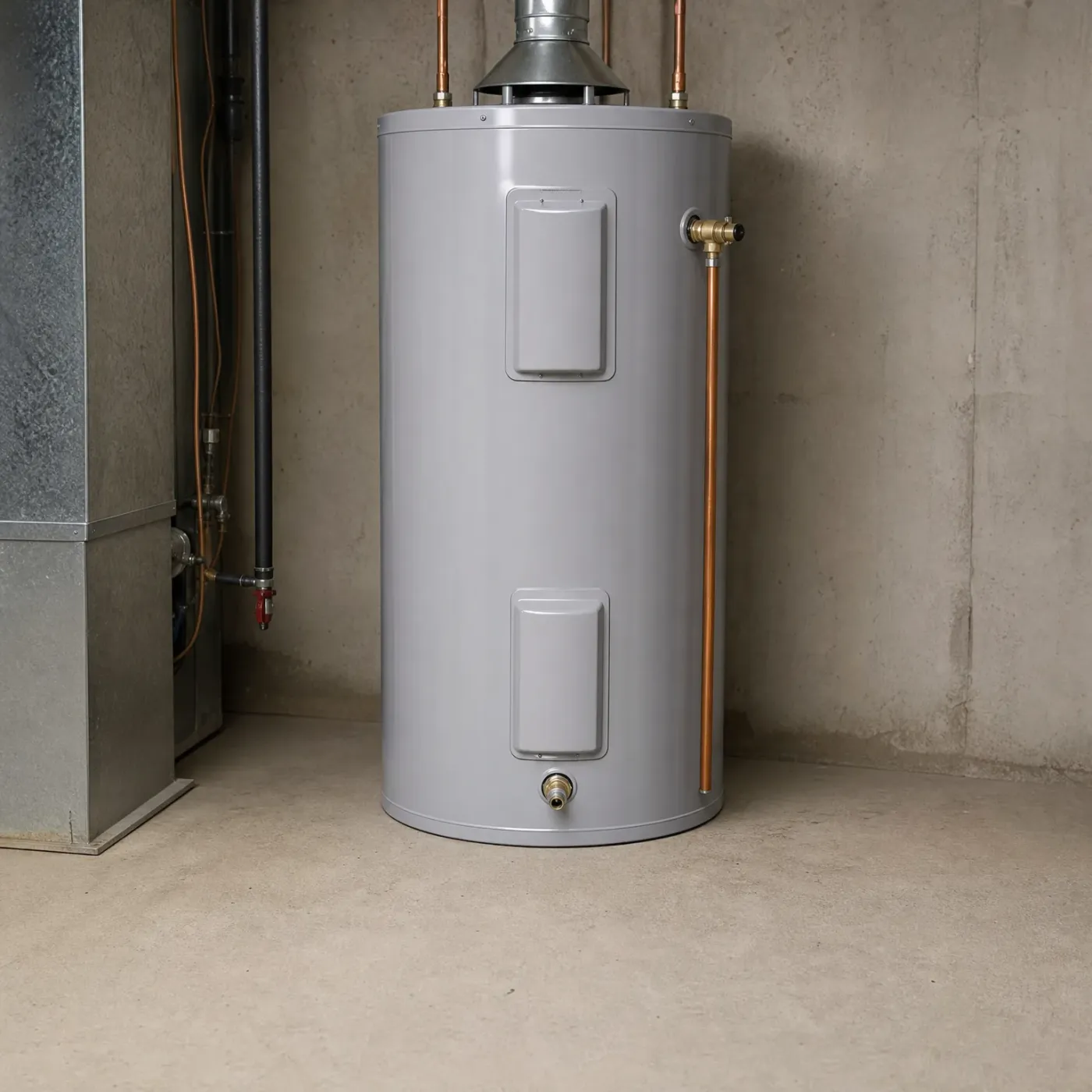
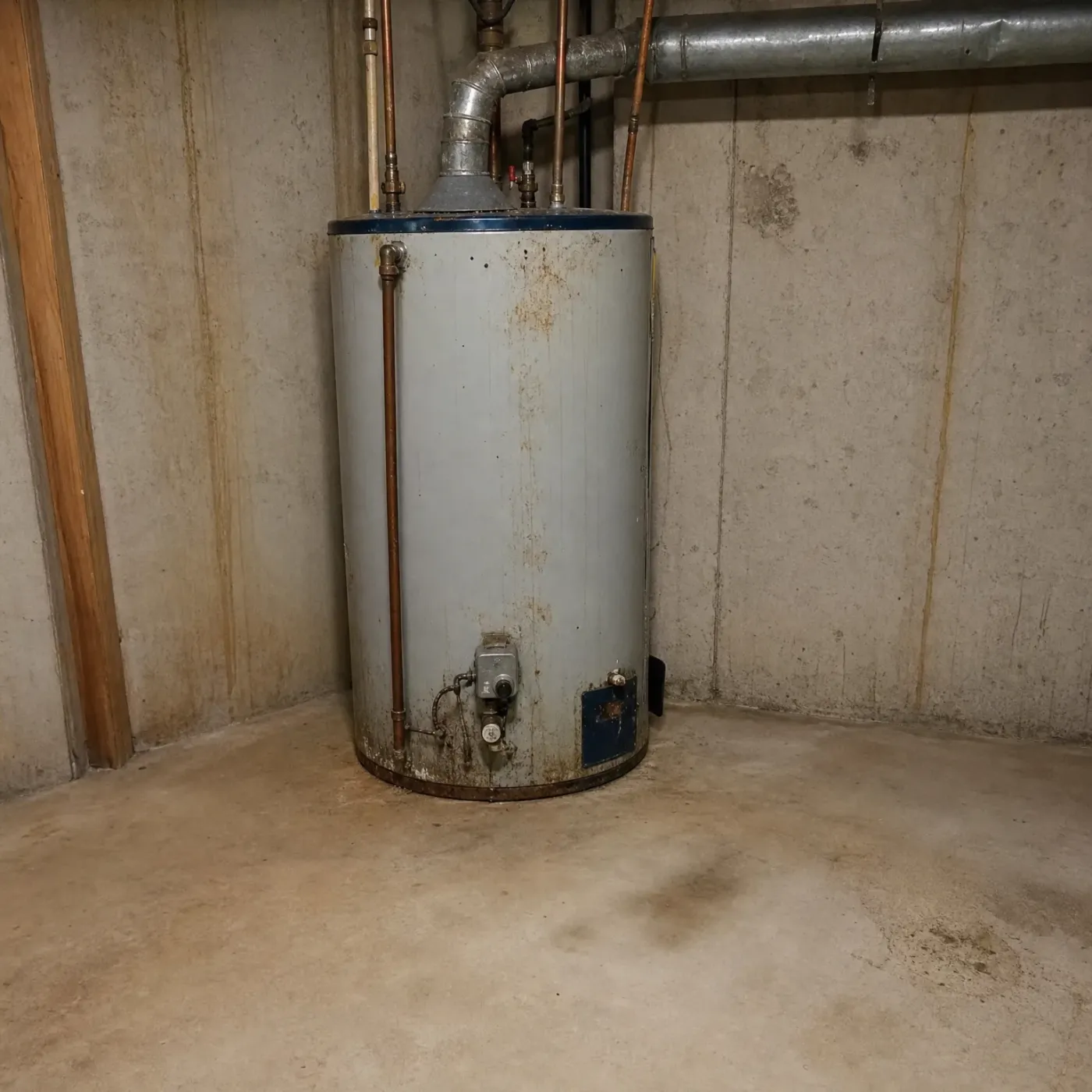
A gas water heater fires its burner underneath the tank, so every bit of heat has to pass through whatever has settled on the bottom before it ever reaches the water above it. In Nevada, that layer builds from minerals already in the groundwater, and it doesn't rinse away on its own. Once it's there, water gets trapped inside and under it, and the burner's heat turns those trapped pockets to steam. The steam bubbles have to push up through the sediment to get out, and that's the popping and rumbling you're hearing. It's not the tank straining or a part about to give out. It's water escaping through grit.
The dip tube makes it worse over time. It sends incoming cold water straight to the bottom of the tank on every refill, and that stream stirs the sediment instead of letting it settle flat. So the layer doesn't stay put, it keeps shifting and rebuilding with every cycle. A worn anode rod adds to it too, since its job is to attract corrosive minerals before they drop into the tank. Once it's used up, more of that mineral content ends up as sediment, and the buildup speeds up from there.
None of this gets fixed by turning down the thermostat or adjusting the burner. The sediment has to come out through the drain valve, flushed loose and cleared from the tank itself. That's the only thing that actually quiets it down.
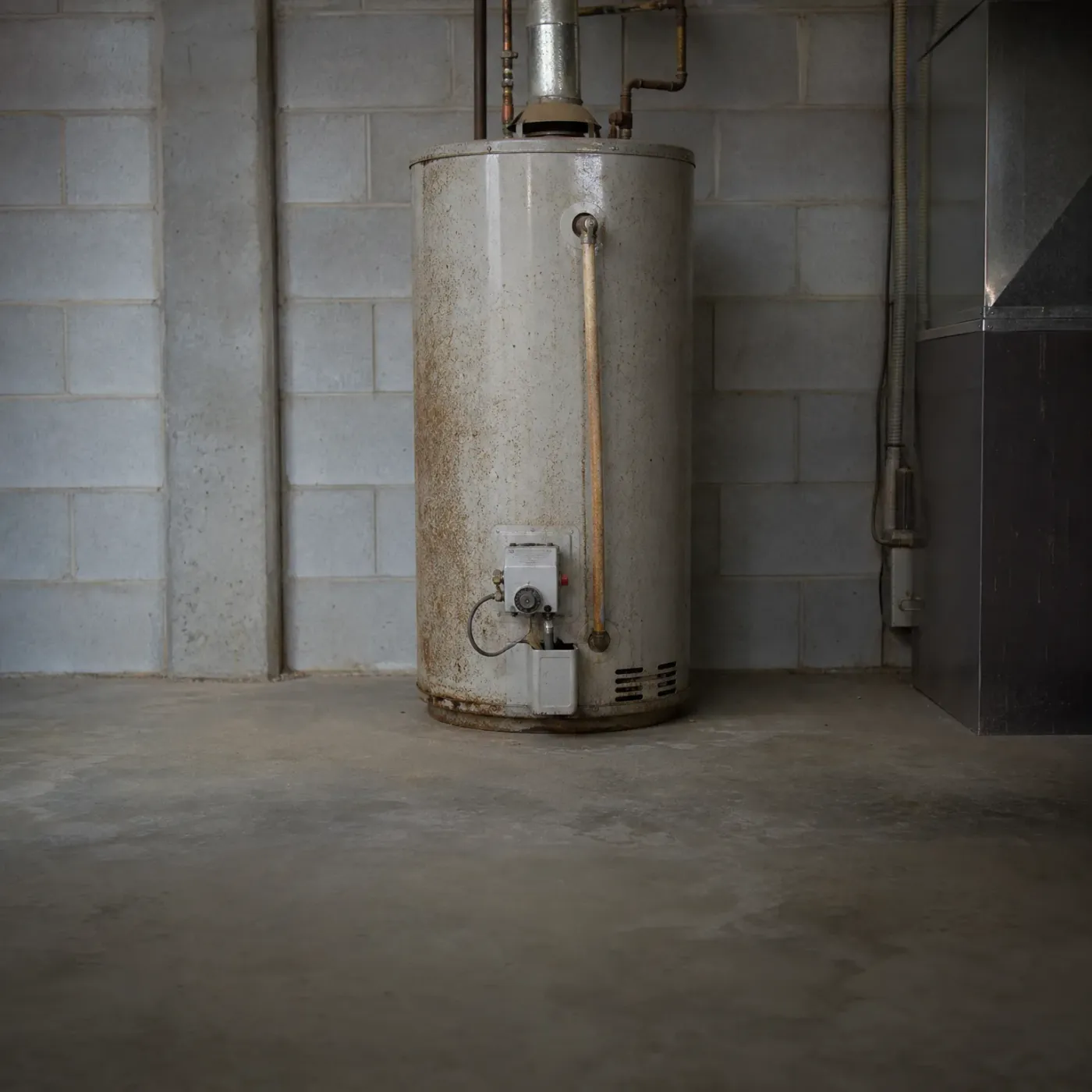
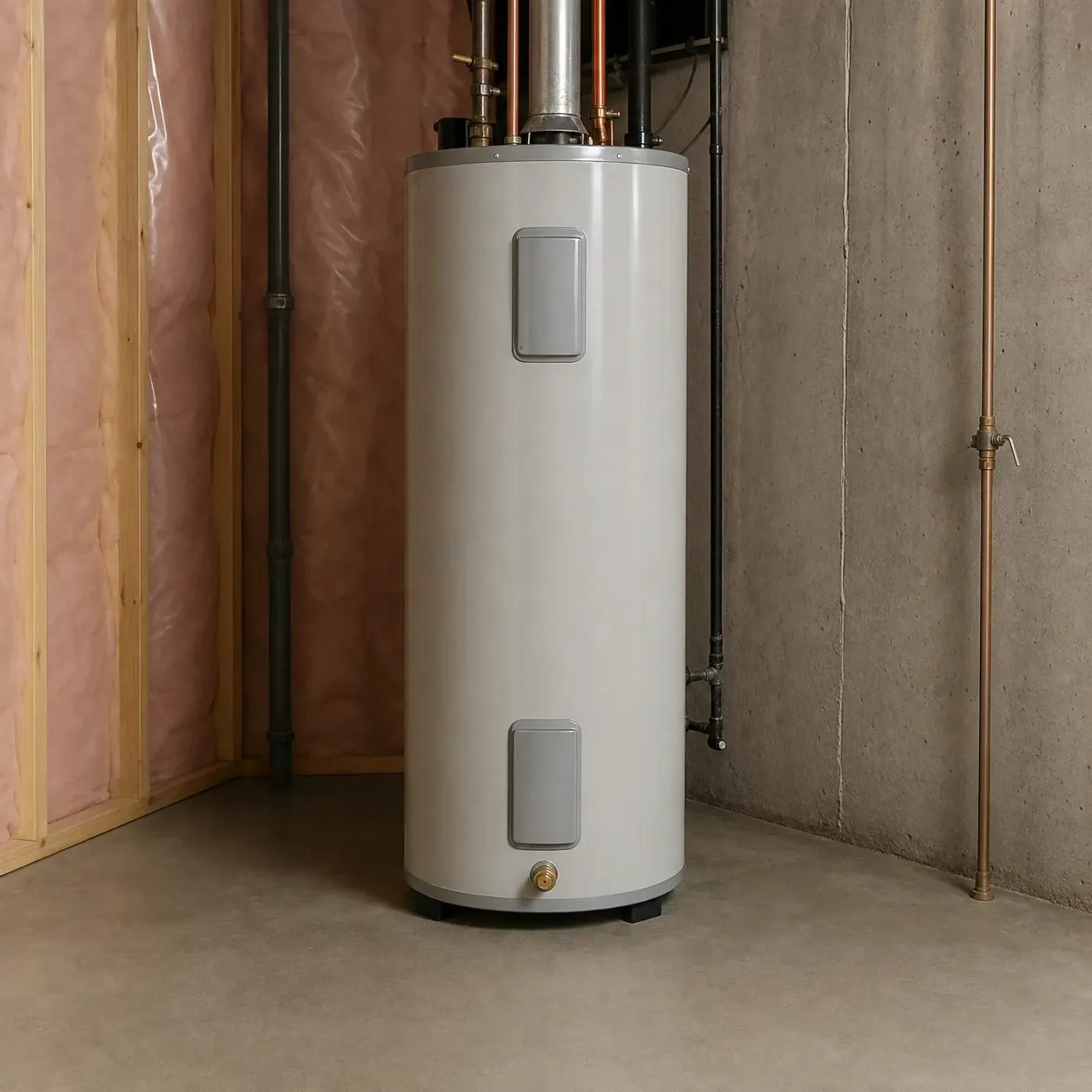
Draining the tank clears loose sediment if you catch it early and the drain valve still works. Hard, caked layers on an old tank often won't break loose this way.
Someone who works on these tanks every week in Nevada knows how caked sediment usually gets and whether a drain valve or relief valve needs attention too.
The popping means sediment, and sediment is something a flush or a descale can fix without replacing the tank. What matters now is getting someone in who works on gas water heaters around Nevada every week and knows how caked that layer usually gets with the minerals in the groundwater here, and how much force it takes to break loose without damaging an older tank. One licensed, local contractor takes the request, so you're not fielding calls from three different companies trying to win the job. They'll look at the tank, the burner, and the valve, and tell you straight whether this is a flush or something more. Send the request and the search is off your plate.
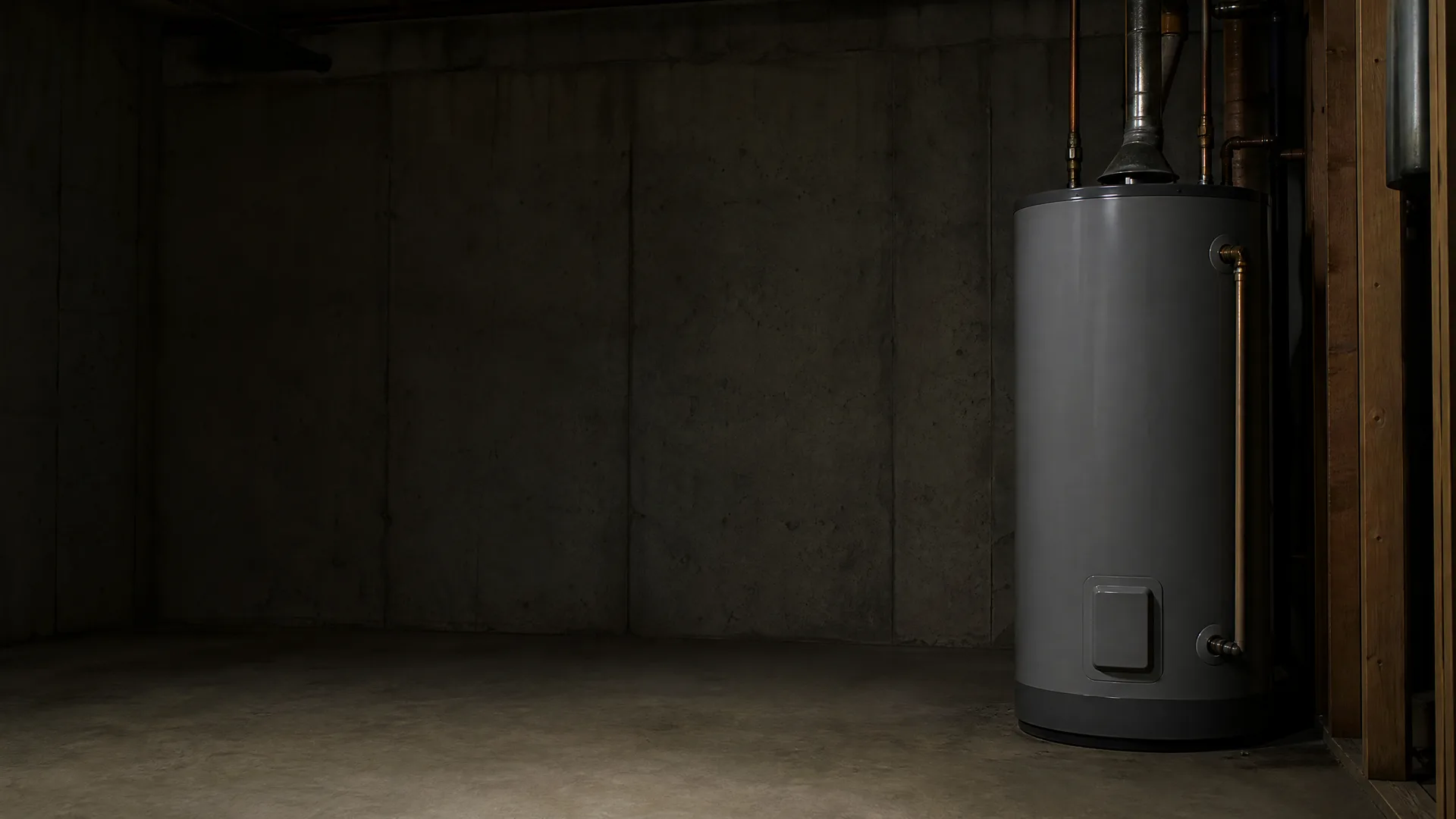
Your request stays with one local pro.